
Agentic LMS
Build, deliver, and monitor K-12 instruction with age-appropriate AI tutors baked in. Full-featured lesson authoring, adaptive practice, and district-wide analytics—all in one ownable platform. On ibl.ai you own all the code and the data, run it model-agnostic across any LLM, and pay with no per-seat pricing — so you can deploy anywhere, from your own cloud to a fully air-gapped network. No need to choose build vs. buy — you get both.





MCP Architecture Guide for K-12
How to connect your district systems (SIS, LMS, behavior tracking, parent communication) to AI agents — with FERPA and COPPA compliance.
Read the Guide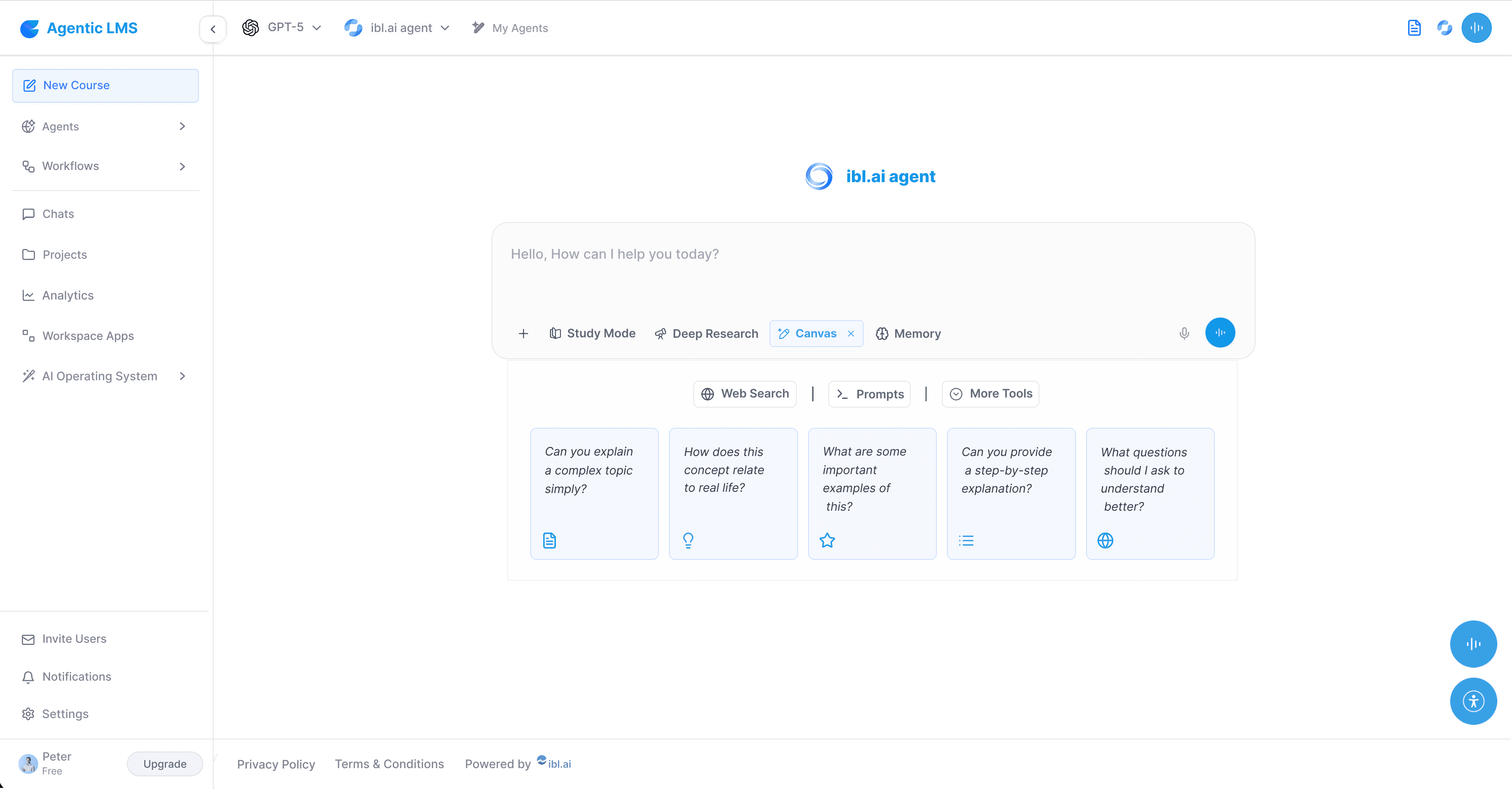
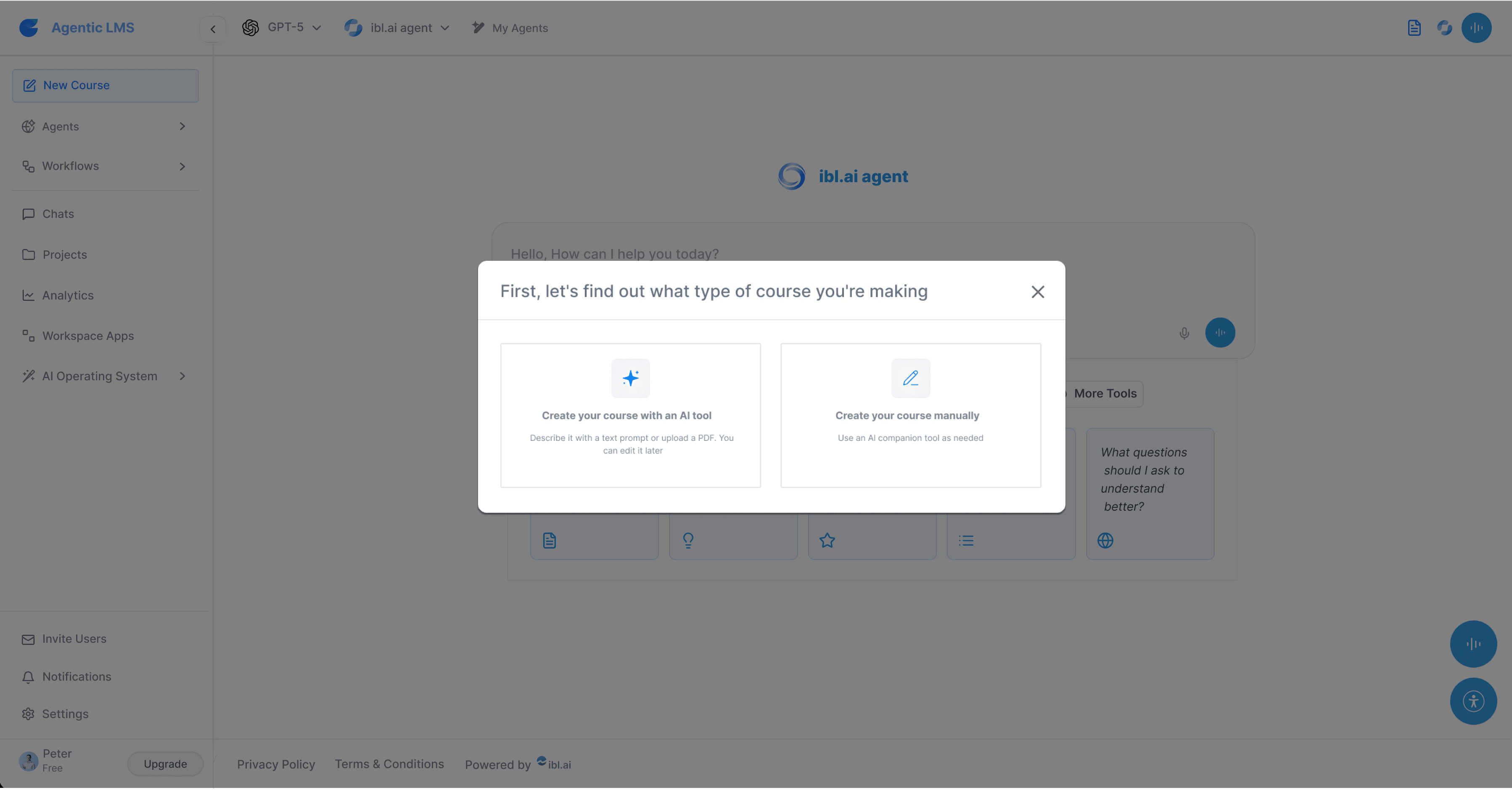
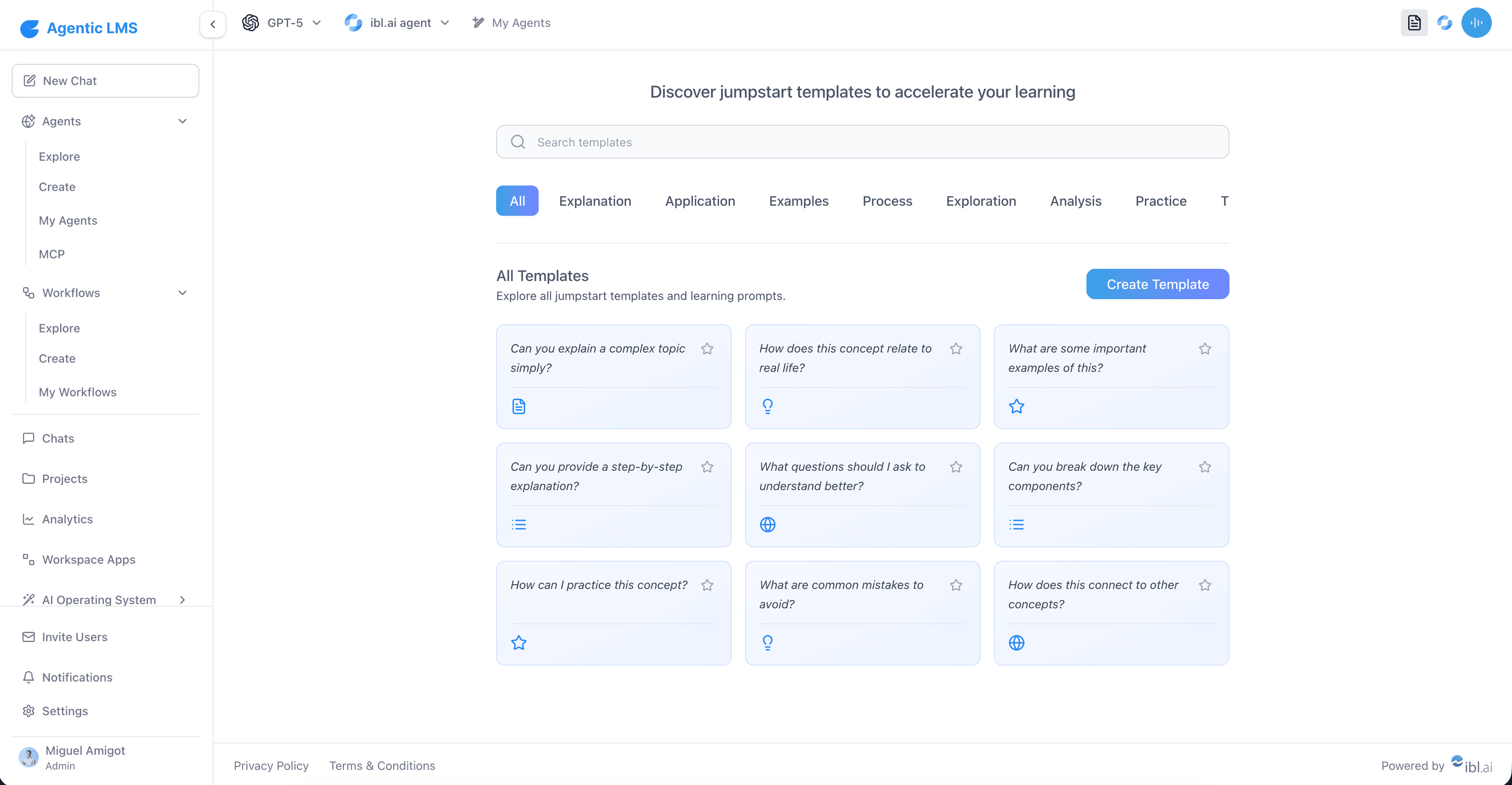
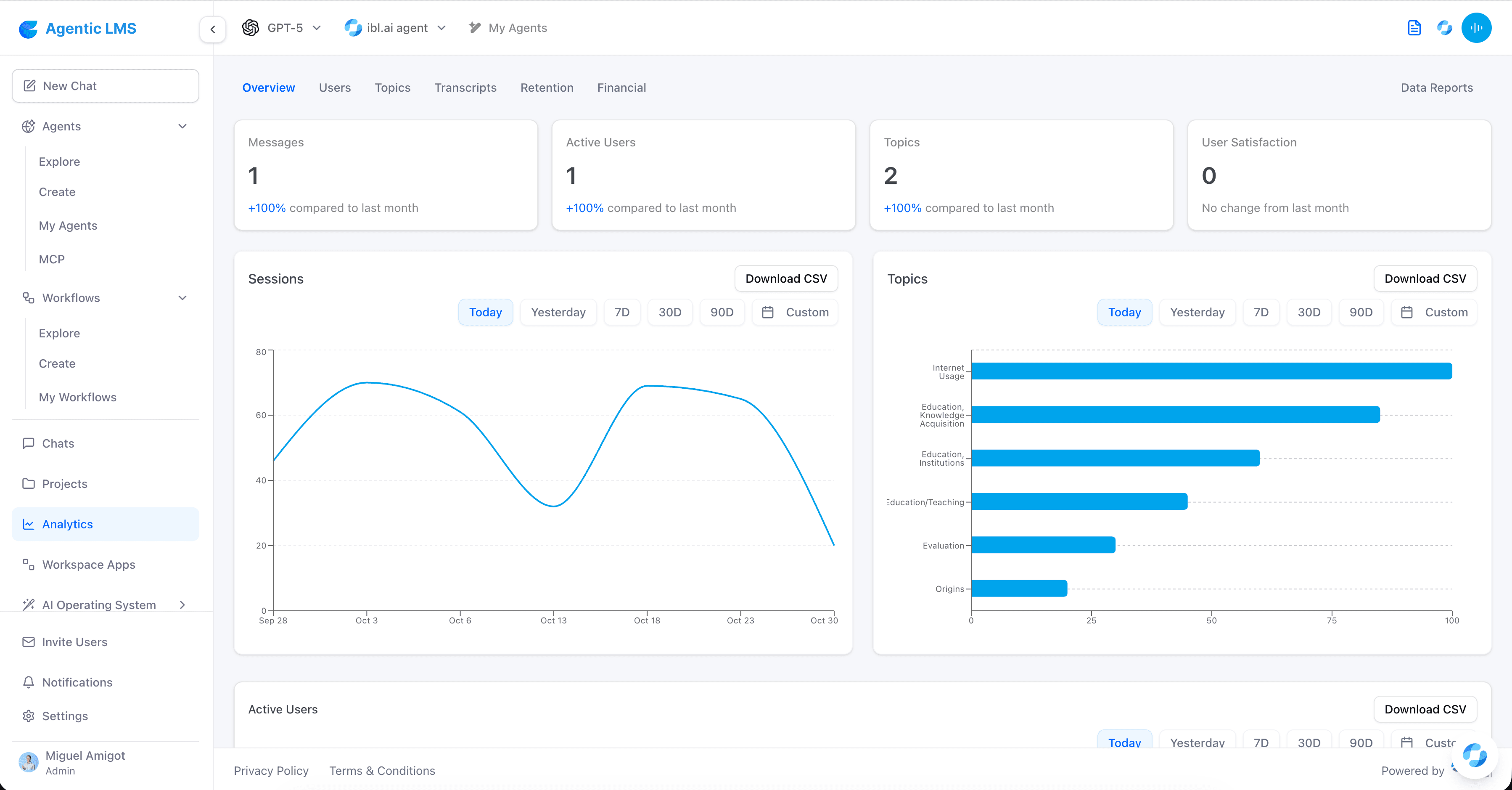
Agentic LMS — AI-Powered LMS for K-12: Lesson Authoring, Delivery, and District Analytics—All in One
Agentic LMS by ibl.ai unifies full-featured lesson creation and management with adaptive, age-appropriate AI tutors.
Design standards-aligned learning experiences, automate administrative tasks, and surface real-time student insights—while you keep full control of your code, data, and models.
For K-12 Students: Learn at Your Own Pace with Built-In Tutors
For District IT: A Modern, Ownable K-12 LMS
What's Inside Agentic LMS for K-12 (Highlights)
Why Agentic LMS Outperforms a Typical K-12 LMS
Benefits That Drive Impact
ibl.ai
Experience Agentic LMS for K-12 Today
What our partners say about us

Chris Gabriel | Google

Lorena Barba | George Washington University

Dr. Juana Mendenhall | Morehouse College

Juile Diop | MIT

Adam Tetelman | Nvidia

Jason Dom | American Public University System

Benjamin Breyer | Columbia University

Ken Fujiuchi | SUNY

Erika Digirolamo | Monroe College

David Flaten | SUNY

David Vise | Modern States Education Alliance

Linda Wood | ARM Institute (U.S. Department of Defense)
Chris Gabriel | Google
Lorena Barba | George Washington University
Dr. Juana Mendenhall | Morehouse College
Juile Diop | MIT
Adam Tetelman | Nvidia
Jason Dom | American Public University System
Benjamin Breyer | Columbia University
Ken Fujiuchi | SUNY
Erika Digirolamo | Monroe College
David Flaten | SUNY
David Vise | Modern States Education Alliance
Linda Wood | ARM Institute (U.S. Department of Defense)
Frequently Asked Questions
Agentic LMS includes AI agents built directly into every course—not as add-ons.
It combines full LMS functionality (authoring, delivery, assessments, gradebook) with adaptive AI tutoring, citable answers grounded in course materials, and real-time learning analytics. You also own the code and data.
Yes. Agentic LMS integrates via LTI 1.3 with Canvas, Blackboard, Brightspace, Moodle, and other platforms. You can use it as a standalone LMS or as an AI-enhanced layer on top of your current system.
Each course gets its own AI agent trained on your materials. The agent provides citable, verified answers with references to specific lectures, readings, and slides.
Instructors control guardrails, and all responses are grounded in approved content—not general internet knowledge.
Agentic LMS includes an AI co-designer that helps draft syllabi, learning outcomes, question banks, and rubrics. You can import content from PDFs, PPT, and Docs, and the platform automatically structures it into modules with outcomes mapping.
Real-time dashboards show engagement, learning gaps, at-risk students, agent usage, and outcomes by cohort. Instructors see which topics students struggle with, and administrators get program-level insights for accreditation reporting.