EduClaw
Education-native AI guardrails built on NemoClaw—COPPA/CIPA-compliant age-appropriate content rails, academic integrity enforcement, and teacher-controlled safety policies for your district. No need to choose build vs. buy — you get both.
EduClaw - Education-Native AI Guardrails for K-12 Districts
Deploy AI agents with guardrails designed from the ground up for K-12—age-appropriate vocabulary rails calibrated by grade band, COPPA/CIPA-compliant content filtering, academic integrity enforcement that teaches rather than enables, and teacher-controlled safety policies that put educators in charge of AI behavior.
EduClaw extends ibl.ai's NemoClaw platform with an education-specific guardrail library built on NVIDIA NeMo Guardrails. Where NemoClaw provides general-purpose safety rails and enterprise hardening, EduClaw adds the child-safety and pedagogical layer that K-12 demands: developmental appropriateness checks, guided learning enforcement, parent-transparent safety controls, and curriculum alignment verified against your adopted standards—all running on GPU-accelerated infrastructure your district fully owns.
What This Is
EduClaw is NemoClaw purpose-built for education. It layers K-12-specific guardrail policies on top of NemoClaw's enterprise-hardened OpenClaw agent framework and NVIDIA NeMo Guardrails engine, adding child-safety and pedagogical rails that understand the unique requirements of educating minors.
Standard AI guardrails block harmful content. EduClaw goes further—it enforces age-appropriate vocabulary matched to grade bands (K-2, 3-5, 6-8, 9-12), prevents agents from giving away answers to homework and assessments, requires curriculum alignment with your adopted state standards, detects and reports concerning student interactions to designated staff, and keeps every exchange developmentally appropriate.
EduClaw ships with a pre-built K-12 guardrail library written in Colang: age-appropriate vocabulary rails that adjust language complexity by grade, guided learning rails that scaffold instruction instead of providing direct answers, academic honesty rails that redirect cheating attempts into teaching moments, wellness detection rails that flag concerning student language for counselor review, and COPPA-compliant data minimization rails that prevent collection of student personal information.
ibl.ai deploys EduClaw on NVIDIA NIM inference microservices, integrates it with your SIS, LMS, and rostering systems (PowerSchool, Clever, Google Classroom), and configures guardrail policies specific to your district's policies and state standards. Every guardrail definition, every agent configuration, every integration adapter belongs to your district.
Why EduClaw for K-12 Education
Purpose-built guardrails calibrate every interaction by grade band. Vocabulary rails ensure a 2nd-grade math tutor uses words a 7-year-old understands.
Content safety rails go beyond profanity filtering—they evaluate conceptual appropriateness, emotional tone, and developmental suitability. Teachers configure thresholds per classroom.
Guardrails prevent AI-enabled cheating scaled to each grade band. For elementary students, agents guide through problems step-by-step without revealing answers.
For middle schoolers, agents require students to show their reasoning before providing feedback. For high schoolers, agents enforce citation requirements and detect essay-generation attempts.
Input rails detect language patterns that may indicate bullying, self-harm, depression, or abuse. Flagged interactions are immediately escalated to designated counselors or administrators through secure channels—not stored in the LLM context.
Configurable sensitivity levels with zero false-negative tolerance for safety-critical keywords.
Data minimization rails prevent agents from collecting, storing, or processing student personal information beyond what is educationally necessary. CIPA-compliant content rails block access to harmful material.
FERPA rails redact education records from agent context. Compliance is enforced at the guardrail level—not left to teacher vigilance.
Teachers set guardrail policies for their classrooms through a simple interface—which topics agents can discuss, how much help to provide per assignment, whether to use Socratic questioning or direct instruction, and which curriculum standards to align with.
Changes take effect immediately without IT involvement.
NVIDIA NeMo Guardrails
Every student message passes through input rails before reaching the LLM. Age-appropriate safety rails filter harmful content, personal information disclosure, and inappropriate requests calibrated by grade band.
Academic integrity rails detect homework and test answer requests. Wellness rails flag concerning language for counselor review. Standard safety rails block prompt injection and jailbreak attempts.
Every agent response passes through output rails before reaching the student. Vocabulary rails verify language complexity matches the student's grade level. Content appropriateness rails evaluate conceptual and emotional suitability.
Guided learning rails ensure agents scaffold instruction rather than provide direct answers. Curriculum alignment rails validate responses against your adopted standards.
Define approved conversation boundaries per agent, per grade, and per subject. A 4th-grade science tutor discusses 4th-grade science—not high school biology, not current political controversies, not topics outside the approved curriculum.
Topical rails are strict enough for elementary students and nuanced enough for high school research projects.
Control student interaction flows for safety and pedagogy. Require guided questioning before providing explanations. Mandate break reminders for extended sessions.
Enforce immediate escalation to adults for wellness concerns. Require encouragement after wrong answers. Dialog rails encode your district's teaching philosophy and duty-of-care obligations.
Secure your educational RAG pipeline. Retrieval rails ensure agents only surface age-appropriate content from grade-level materials.
Answer keys, teacher edition content, IEP documents, and administrative records are invisible to student-facing agents. Content matches the student's reading level and curriculum scope.
All K-12 guardrails are defined in Colang—a human-readable, version-controllable modeling language. Curriculum coordinators can review content alignment rails.
Technology directors can review COPPA/CIPA compliance. Principals can review school-level safety policies. Parents can be shown guardrail summaries for transparency.
Enterprise Hardening by ibl.ai
We monitor the full EduClaw stack—OpenClaw agent runtime, NeMo Guardrails engine, K-12 guardrail library, NIM containers—and apply patches before they reach your production environment.
Our team tracks CVEs and manages updates aligned with your district's change management process, with expedited patching for any vulnerability that could affect student safety.
Deploy agents with permissions that default to maximum safety for student-facing interactions. Student agents enforce the strictest content rails, vocabulary limits, and academic integrity policies for their grade band.
Teacher agents access classroom analytics and adjust guardrail policies within district-approved ranges. Administrator agents manage school- and district-level policies. All roles enforced at the infrastructure level.
Every agent interaction, guardrail trigger, wellness flag, academic integrity event, and content filter activation is logged to your district's logging infrastructure.
COPPA/CIPA/FERPA-compliant by design. Audit trails support state reporting requirements, board transparency reports, and parent information requests. Configurable retention with data minimization for student records.
Agents and NIM inference containers run in isolated network segments with strict egress controls. Student data never leaves your perimeter—not for guardrail evaluation, not for model improvement, not for any purpose.
All processing—including wellness detection, content filtering, and academic integrity checks—happens entirely within your security boundary.
EduClaw inherits NemoClaw's multi-layer security: OpenClaw's NanoClaw container isolation, NeMo Guardrails' content filtering, CIPA-compliant content moderation, and ibl.ai's enterprise hardening. EduClaw adds the child-safety and pedagogical layer on top.
Each layer operates independently for maximum student protection. Age-appropriate content rails function even if other layers are compromised.
District System Integrations
Connect EduClaw agents to PowerSchool, Infinite Campus, Skyward, or Aeries. Grade-band guardrail policies apply automatically based on student enrollment data.
Retrieval rails enforce strict FERPA protections—agents never surface attendance records, discipline history, IEP details, or family information. PII redaction prevents any student data from entering the LLM context.
Integrate with Google Classroom, Canvas, Schoology, or Brightspace. Agents access assignment descriptions and learning objectives—using this context to enforce curriculum-aligned guardrails.
Topical rails automatically adjust to the current unit. Academic integrity rails know which assignments allow AI assistance based on teacher settings.
Connect agents to Clever, ClassLink, or OneRoster for automatic rostering. Guardrail policies—grade-band vocabulary, subject boundaries, content safety levels—apply automatically based on school, grade, and section assignments.
When students change classes or grade levels, guardrail policies update without manual reconfiguration.
Integrate with Google Workspace for Education, Microsoft 365 Education, or Clever SSO. Agent permissions and child-safety rails inherit from your existing role hierarchy.
Age verification is automatic through rostering data—no student self-reported ages used for safety policy decisions.
Deployment Options
What You Own
Engagement Model
Get Started
What our partners say about us

Chris Gabriel | Google

Lorena Barba | George Washington University
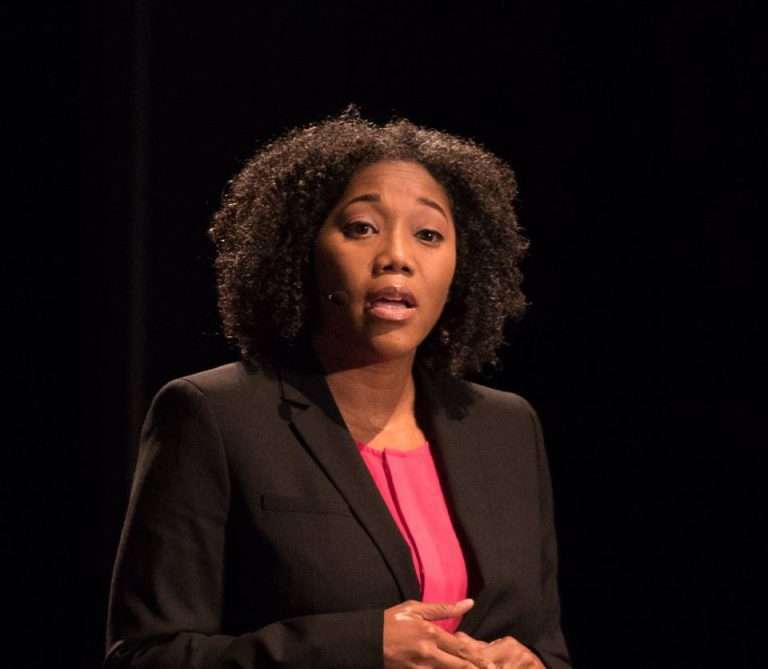
Dr. Juana Mendenhall | Morehouse College

Juile Diop | MIT
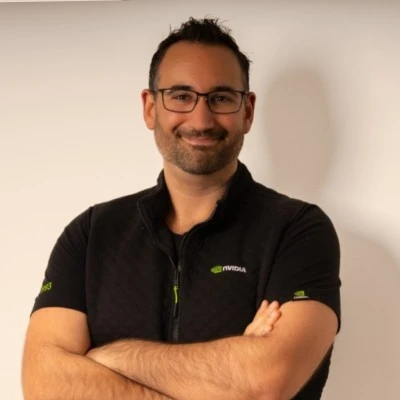
Adam Tetelman | Nvidia

Jason Dom | American Public University System

Benjamin Breyer | Columbia University
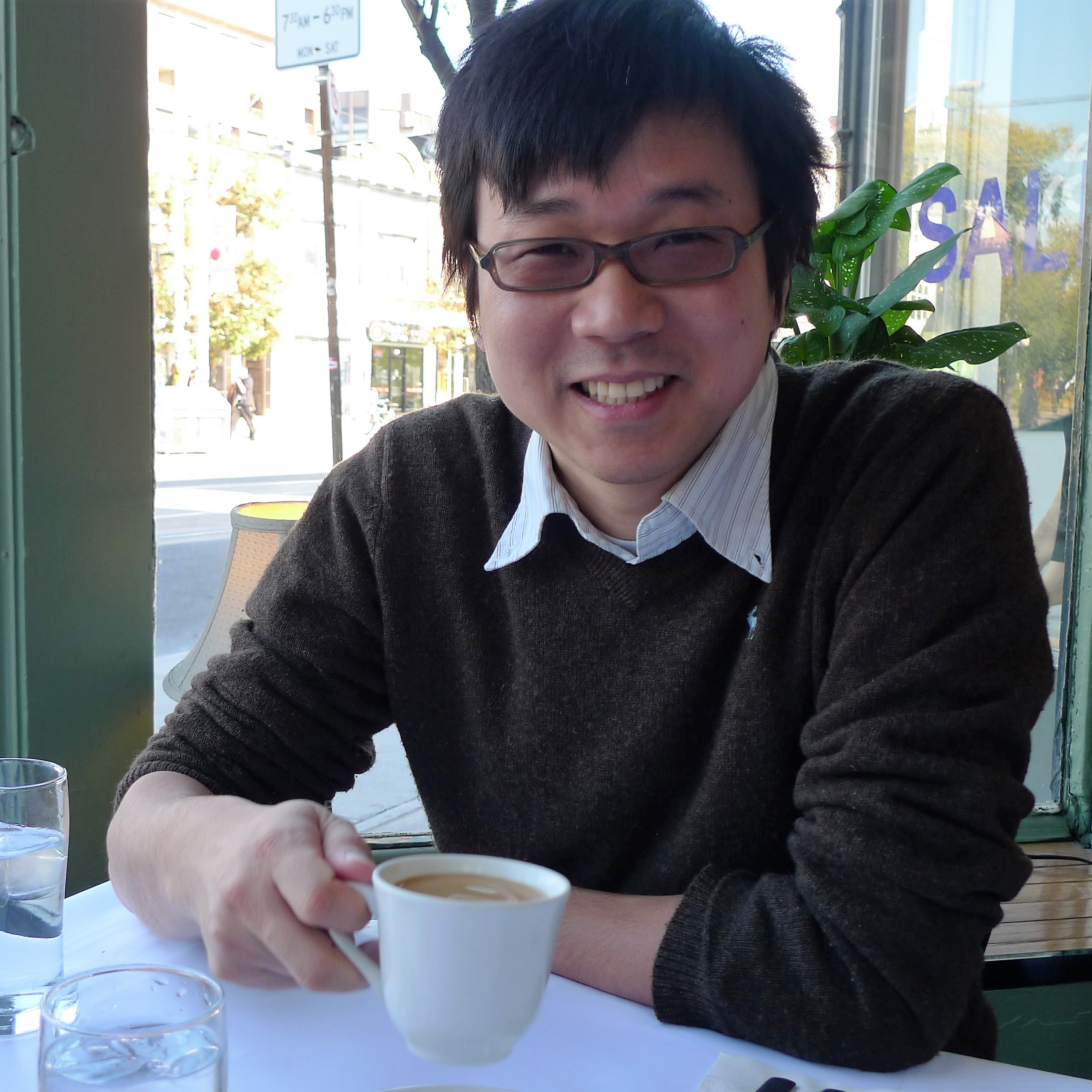
Ken Fujiuchi | SUNY

Erika Digirolamo | Monroe College

David Flaten | SUNY

David Vise | Modern States Education Alliance

Linda Wood | ARM Institute (U.S. Department of Defense)
Chris Gabriel | Google
Lorena Barba | George Washington University
Dr. Juana Mendenhall | Morehouse College
Juile Diop | MIT
Adam Tetelman | Nvidia
Jason Dom | American Public University System
Benjamin Breyer | Columbia University
Ken Fujiuchi | SUNY
Erika Digirolamo | Monroe College
David Flaten | SUNY
David Vise | Modern States Education Alliance
Linda Wood | ARM Institute (U.S. Department of Defense)