Agentic Wallet
Own your professional profile. Share verified bar certifications, CLE credits, and specializations—securely, anywhere. On ibl.ai you own all the code and the data, run it model-agnostic across any LLM, and pay with no per-seat pricing — so you can deploy anywhere, from your own cloud to a fully air-gapped network. No need to choose build vs. buy — you get both.





MCP Architecture Guide for Legal
How to connect your legal systems (document management, case management, billing, research) to AI agents — step by step.
Read the Guide
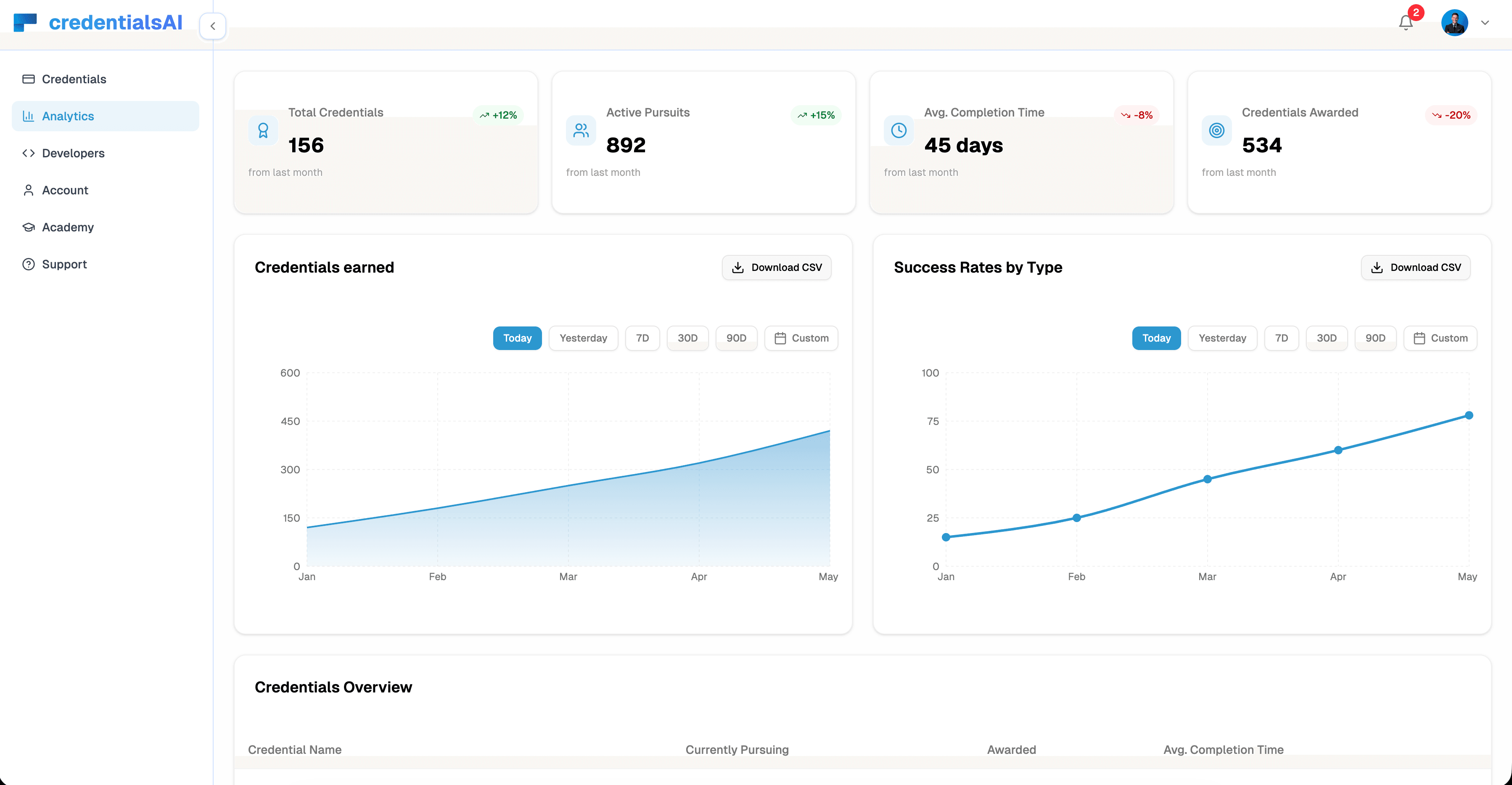
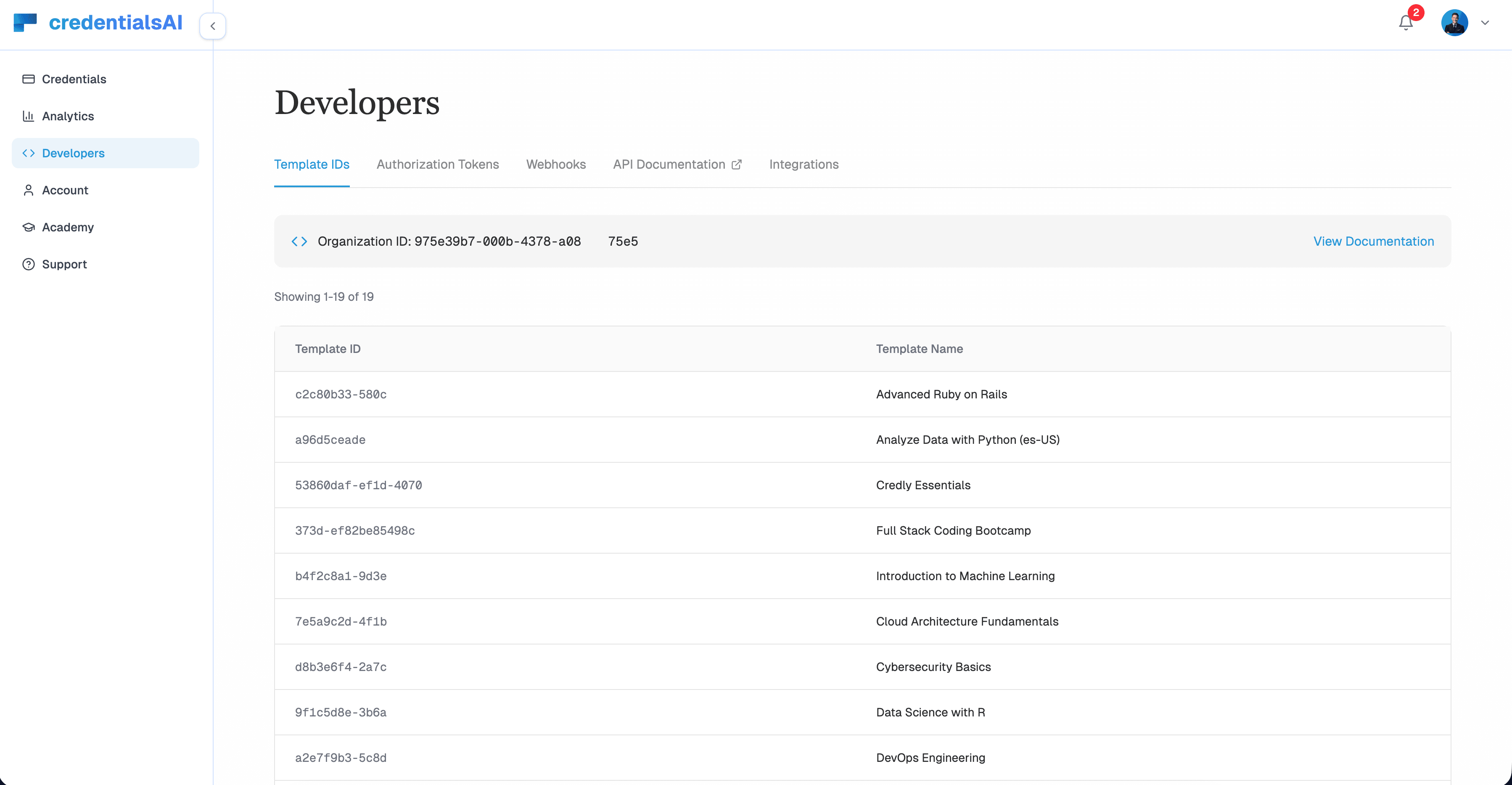
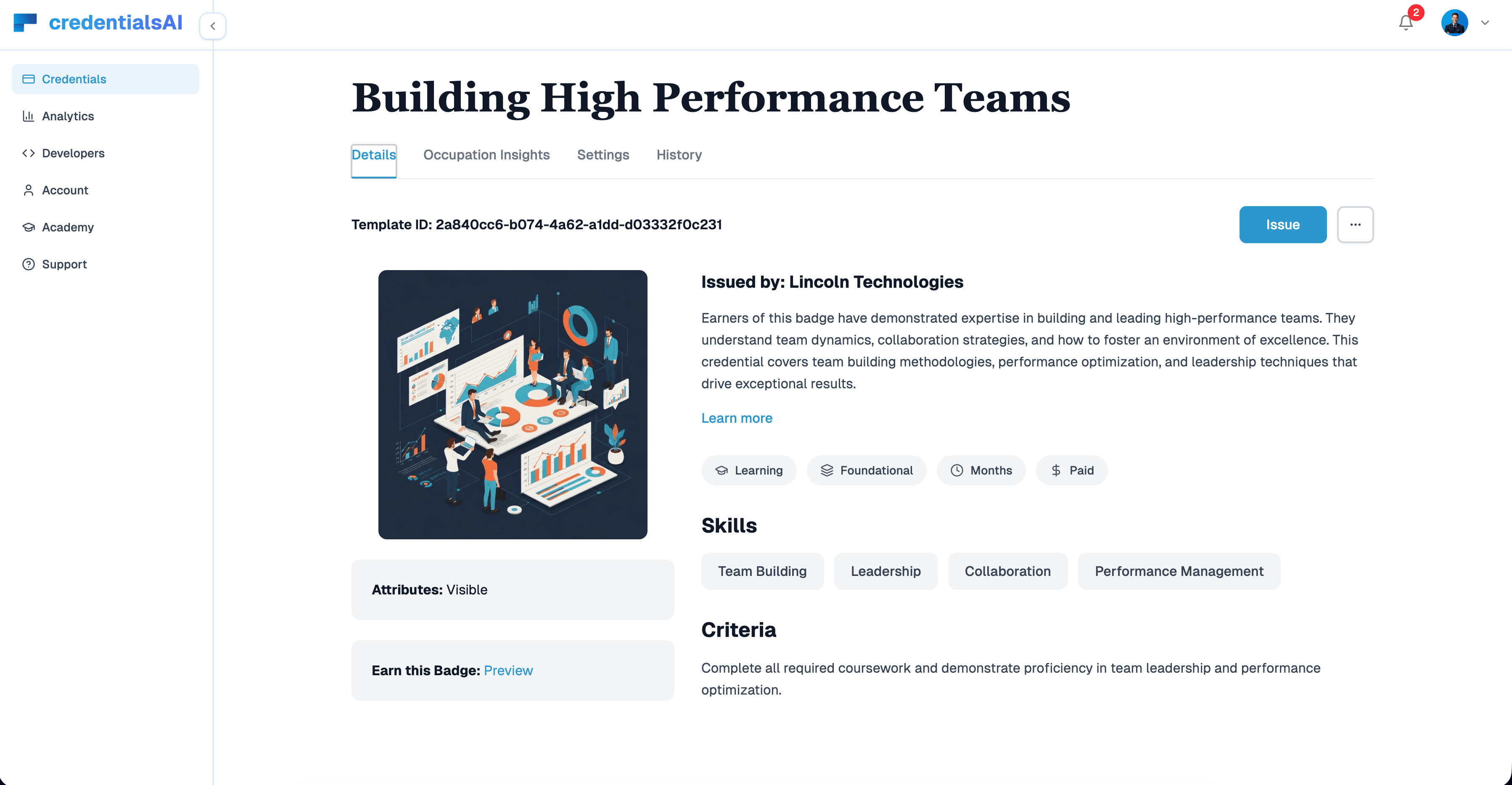
Agentic Wallet — Own your professional profile. Share verified bar certifications, CLE credits, and specializations—securely, anywhere.
Portable, Verifiable Legal Credentials—Under Your Control.
AgenticCredential by ibl.ai compiles a living attorney profile from your bar admissions, CLE records, firm systems, and professional signals (e.g., LinkedIn).
It then issues cryptographically verifiable credentials that attorneys can share with clients, courts, and regulatory bodies—always with explicit consent and revocation controls.
For Attorneys & Associates: One Profile, Every Engagement
For Firm Administrators & Compliance Teams: Compliance-Ready, Low Lift
For Clients & Courts: Instant, Consent-Based Verification
What's Inside Agentic Wallet (Highlights)
Why Agentic Wallet Outperforms Typical Bar Verification & CLE Tracking
Benefits That Drive Impact
ibl.ai
Experience Agentic Wallet Today
What our partners say about us

Chris Gabriel | Google

Lorena Barba | George Washington University
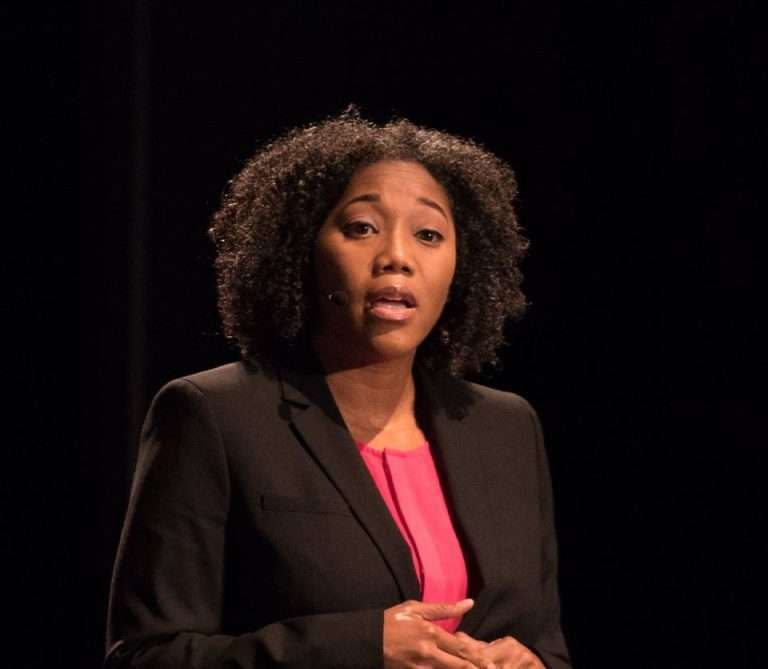
Dr. Juana Mendenhall | Morehouse College

Juile Diop | MIT

Adam Tetelman | Nvidia

Jason Dom | American Public University System

Benjamin Breyer | Columbia University

Ken Fujiuchi | SUNY

Erika Digirolamo | Monroe College

David Flaten | SUNY

David Vise | Modern States Education Alliance

Linda Wood | ARM Institute (U.S. Department of Defense)
Chris Gabriel | Google
Lorena Barba | George Washington University
Dr. Juana Mendenhall | Morehouse College
Juile Diop | MIT
Adam Tetelman | Nvidia
Jason Dom | American Public University System
Benjamin Breyer | Columbia University
Ken Fujiuchi | SUNY
Erika Digirolamo | Monroe College
David Flaten | SUNY
David Vise | Modern States Education Alliance
Linda Wood | ARM Institute (U.S. Department of Defense)
Frequently Asked Questions
Agentic Wallet issues W3C-standard verifiable credentials that are cryptographically signed and instantly verifiable.
Unlike traditional badges, credentials include linked evidence (projects, assessments, attestations), selective disclosure controls, and student-owned revocation rights.
Students own a learner wallet where they decide what to share, with whom, and for how long. They can selectively disclose specific fields (like GPA ranges or skills) while hiding others, and revoke access anytime. All sharing is consent-based with audit trails.
Employers receive a verification link or QR code that instantly confirms identity, completion status, skills, and linked evidence—no phone calls or email chains. Credentials are tamper-evident and machine-readable for ATS integration.
Yes. Credentials are automatically issued from SIS/LMS data via LTI 1.3 and REST APIs. The platform connects to Canvas, Blackboard, Brightspace, Moodle, and major SIS systems for automated diploma, micro-credential, and badge issuance.
Registrars can handle re-issuance, expiry, name changes, and program updates with full audit trails. The system maintains credential integrity while allowing legitimate updates—critical for compliance and student mobility.