
Agentic OS (Operating System)
Unify your systems of record—SIS/LMS, HRIS, CRM, ERP, EHR/EMR, case and document management—into a secure per-user memory layer that powers agents for any industry. On ibl.ai you own all the code and the data, run it model-agnostic across any LLM, and pay with no per-seat pricing — so you can deploy anywhere, from your own cloud to a fully air-gapped network. No need to choose build vs. buy — you get both.





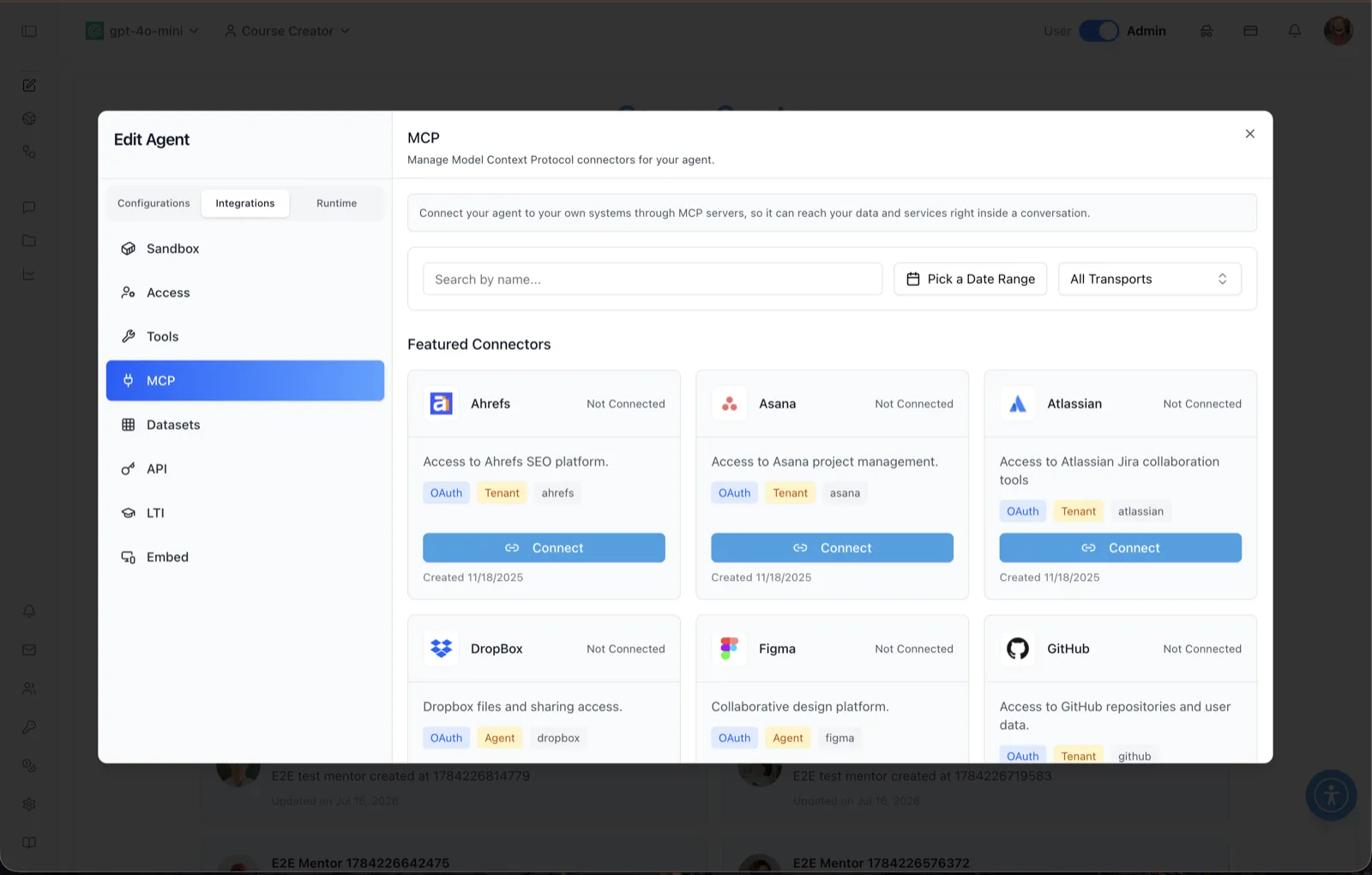
MCP Architecture Guide
How to connect your existing systems to AI agents using the Model Context Protocol — step by step.
Read the Guide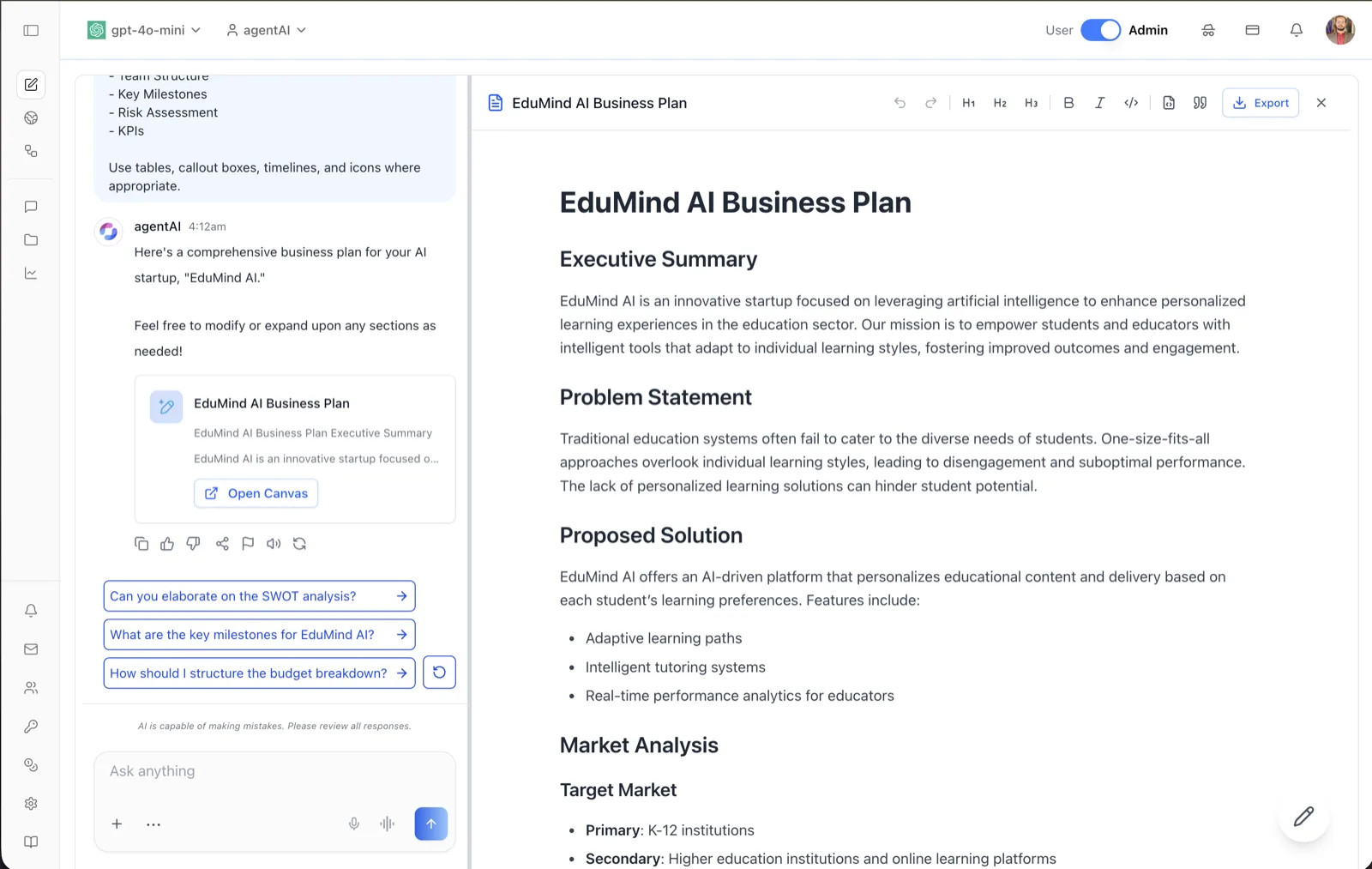
Agent Templates
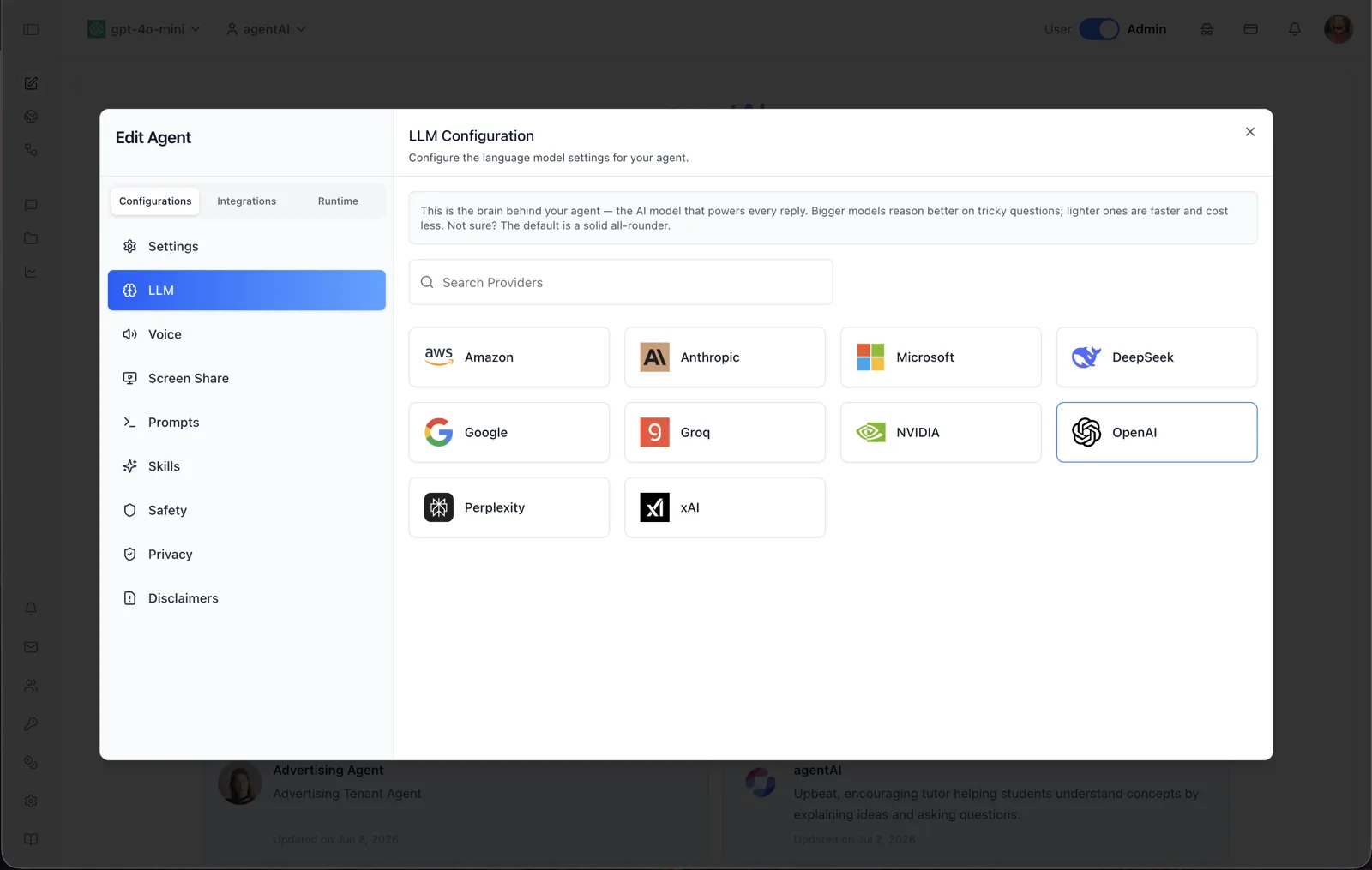
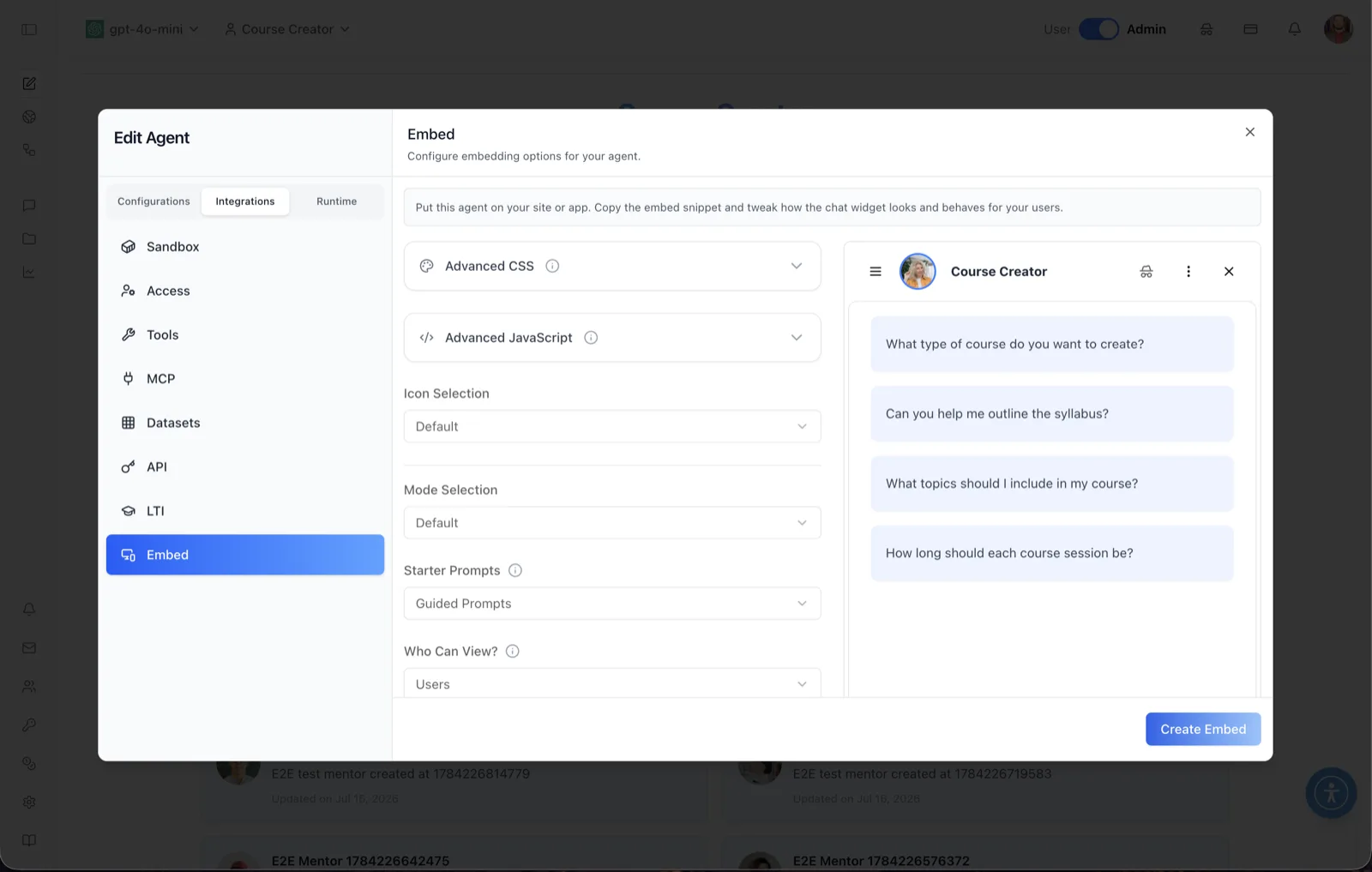
Prebuilt agent definitions to deploy as they are or build from — identity, tools, memory, and guardrails already written. You own the code, so every template is yours to edit, extend, and rename.
How ibl.ai compares
OS (Operating System) — Unify your systems of record into a secure memory layer
An Ownable AI Operating System.
OS by ibl.ai connects your systems of record—SIS/LMS, HRIS, CRM, ERP, EHR/EMR, case and document management—over an MCP-based interoperability layer to assemble a secure, per-user memory.
That memory gives your AI agents the right context whichever industry you operate in—so every frontline team gets an assistant that knows the account, the case, or the patient, and every IT leader a compliance-ready platform.
Deployed in your infrastructure with your keys and your controls—including full code access.
For Your Frontline Teams: Context-Rich, Role-Aware Agents
For Operations & Program Owners: Agents That Run the Work
For IT & Security: Own the Stack, Control the Risk
What OS Connects (Examples)
What's Inside OS (Architecture Highlights)
Why OS Outperforms Typical Integration Hubs
Benefits That Drive Impact
ibl.ai
The ibl.ai platform supplies the secure memory layer and connectors, the agent runtime and governance plane, and the analytics that show what your agents actually did.
It runs on your infrastructure, against any model, with the source code delivered to you—an ownable AI operating system for any industry.
Experience OS Today
What our partners say about us

Chris Gabriel | Google

Lorena Barba | George Washington University

Dr. Juana Mendenhall | Morehouse College

Juile Diop | MIT

Adam Tetelman | Nvidia

Jason Dom | American Public University System

Benjamin Breyer | Columbia University

Ken Fujiuchi | SUNY

Erika Digirolamo | Monroe College

David Flaten | SUNY

David Vise | Modern States Education Alliance

Linda Wood | ARM Institute (U.S. Department of Defense)
Chris Gabriel | Google
Lorena Barba | George Washington University
Dr. Juana Mendenhall | Morehouse College
Juile Diop | MIT
Adam Tetelman | Nvidia
Jason Dom | American Public University System
Benjamin Breyer | Columbia University
Ken Fujiuchi | SUNY
Erika Digirolamo | Monroe College
David Flaten | SUNY
David Vise | Modern States Education Alliance
Linda Wood | ARM Institute (U.S. Department of Defense)
Frequently Asked Questions
Agentic OS is an AI operating system that creates a secure, per-user memory layer by unifying data from your systems of record — SIS/LMS, HRIS, CRM, ERP, EHR/EMR, and case or document management.
Unlike traditional data warehouses, it provides policy-aware retrieval with fine-grained consent controls, so AI agents reach contextual data about a specific record — a learner, an employee, a citizen, a client, a matter, or a patient — under the regime that governs it.
Yes. Agentic OS can be deployed on-premise or in your cloud (AWS, Azure, GCP) using your VPC, KMS, and IAM. You receive full source code access to connectors, policy engine, and agent interfaces—no vendor lock-in.
Agentic OS connects to the systems of record an organization already runs: HRIS and ERP (Workday, Oracle, SAP, Dynamics), CRM and service desks (Salesforce, HubSpot, ServiceNow, Zendesk), EHR/EMR (Epic, Cerner, Meditech), document and case management (iManage, NetDocuments, SharePoint, Clio), SIS and LMS (Banner, PeopleSoft, Canvas, Blackboard, Brightspace, Moodle), and identity providers (Azure AD/Entra, Okta, Google Workspace).
Connectors run over the Model Context Protocol, so data is read in place rather than extracted into another store.
Agentic OS includes privacy by design with field-level permissions, PII redaction, consent receipts, and selective disclosure. Each user controls what data is shared with AI agents, and all access is logged for audit purposes.
Because the platform runs inside your own perimeter, the evidence stays with you — supporting FERPA, HIPAA/HITECH, SOX, PCI DSS, GDPR, and NIST 800-53 obligations rather than asking you to trust a vendor's attestation.
Agentic OS powers three primary agent types, whatever the industry: front-line agents for the people your organization serves, operations agents that run the work behind them, and administrative agents for oversight and reporting.
In practice that means knowledge search, IT help desk, and customer support in the enterprise; citizen services, compliance, and procurement in government; case research, contract review, and discovery in legal; KYC/AML, fraud detection, and risk in financial services; clinical support, documentation, and prior authorization in healthcare; and enrollment, advising, and tutoring in education.
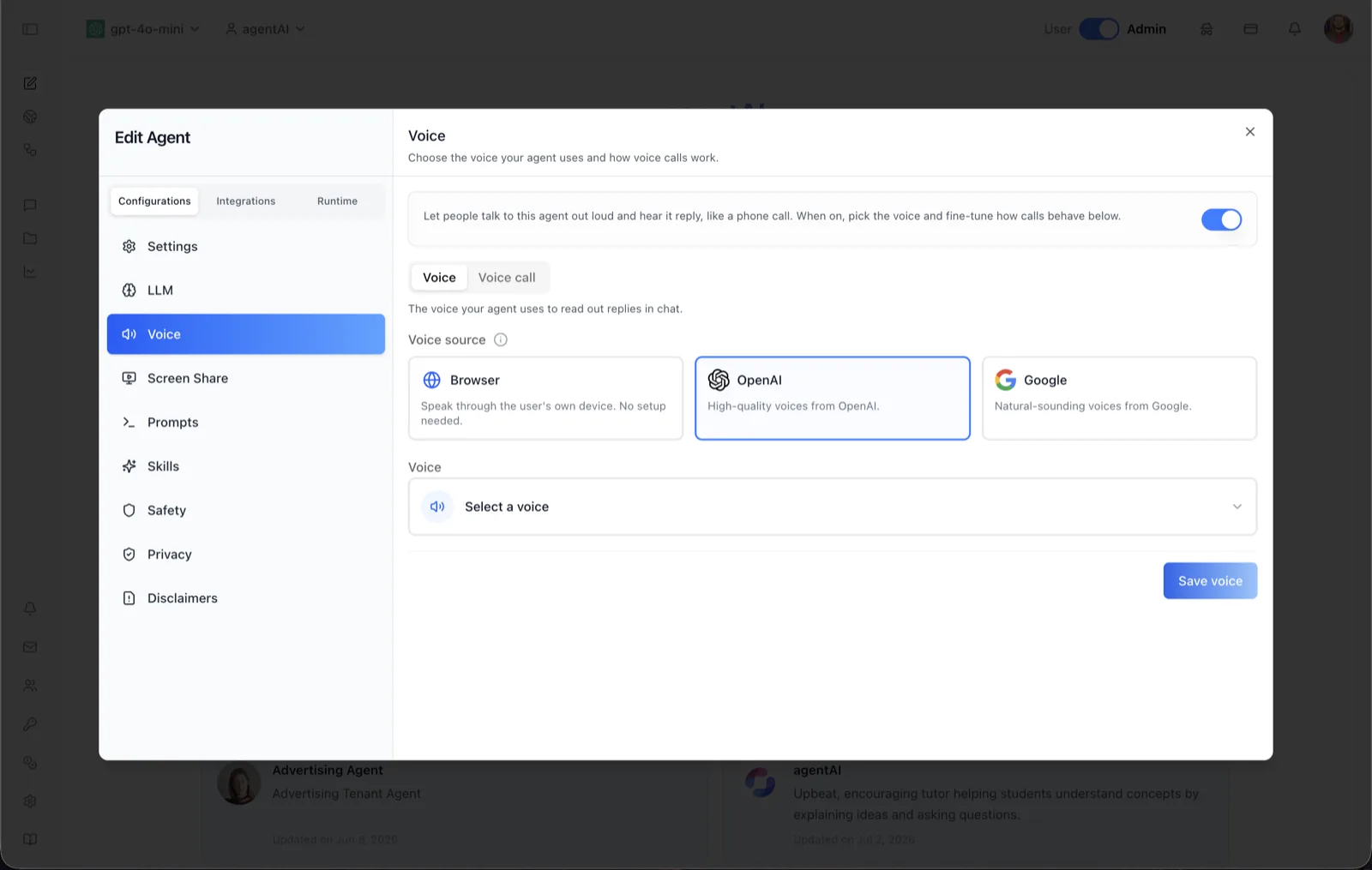
All agents are LLM-agnostic and can use OpenAI, Claude, Gemini, or local models.
Unify your data first — then deploy agents
Agentic OS reasons over a unified knowledge layer. Here's why that ontology comes first, and how it's built.
- Why AI Agents Fail Without an Ontology: Unify Data First
- AI Data Unification — the on-premise knowledge layer
- Ontology vs RAG for AI Agents: Why You Need Both
- Vector Database vs Knowledge Graph for AI Agents
- Why MCP Is the Data Layer for AI Agents
- Enterprise AI Data Integration: The Ontology-First Approach